
The psychology of high-stakes gambling understanding the emotional rollercoaster
The Thrill of the Game
The allure of high-stakes gambling often lies in the adrenaline rush it provides. Gamblers experience a surge of excitement as they place significant bets, feeling the weight of each decision they make. This thrill can be intoxicating, leading players to chase the euphoric feelings that come with wins. For many, the emotional high is a key motivator, overshadowing the potential risks and financial losses involved. One way players can indulge in this excitement is through online pokies, which offer a dynamic gaming experience.
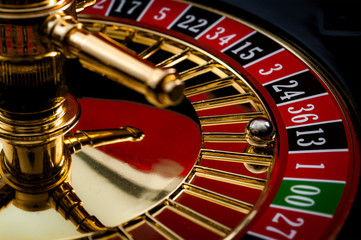
This thrill-seeking behavior can be traced back to psychological principles such as the reward system in the brain. When a gambler wins, dopamine—a neurotransmitter associated with pleasure and reward—is released, reinforcing the behavior. This biochemical response creates a cycle where the gambler continually seeks out that exhilarating feeling, often leading to emotional highs and lows that characterize the gambling experience.
The Emotional Highs and Lows
High-stakes gambling is often described as an emotional rollercoaster. The excitement of winning can quickly turn into despair with a losing streak, creating a volatile emotional environment. Players frequently oscillate between euphoria and disappointment, which can take a significant toll on their mental health. The unpredictability of outcomes adds to this emotional turmoil, keeping gamblers on edge.
Furthermore, the fear of loss can be just as compelling as the desire for gain. Gamblers may develop a heightened sense of anxiety when stakes are high, leading them to make impulsive decisions. This emotional volatility is not only central to the gambling experience but can also lead to compulsive behavior, where the urge to gamble overshadows rational decision-making.
Risk and Reward Psychology
Understanding the psychological dynamics of risk and reward is crucial in high-stakes gambling. Many players are attracted to the possibility of substantial rewards, which often outweighs their perception of risk. This skewed evaluation can lead gamblers to underestimate their chances of losing, fueling a cycle of high-risk behavior.
This tendency is often compounded by cognitive biases such as the illusion of control, where gamblers believe they can influence the outcome of random events. This belief can further encourage high-stakes gambling, as players think they have the upper hand, even when statistics suggest otherwise. Ultimately, this psychological framework shapes how individuals engage with gambling and their emotional responses to it.
The Impact of Losses
The emotional impact of losses in high-stakes gambling can be profound. Losing money not only affects a gambler’s finances but also their self-esteem and emotional well-being. Many players experience feelings of shame, guilt, or regret after significant losses, which can lead to withdrawal from social situations and support networks.
Moreover, the desire to recover losses can create a dangerous mindset, pushing individuals to gamble even more. This chasing behavior often leads to further losses, trapping gamblers in a cycle that can be difficult to escape. The emotional consequences of these experiences may lead to long-term psychological issues, including anxiety and depression.

Your Safe Gambling Resource
For those interested in exploring the world of online gambling, understanding the psychological aspects is essential. Our platform offers insights into safe and secure gambling practices, helping players make informed decisions. We prioritize providing comprehensive resources that emphasize responsible gambling while highlighting the emotional aspects involved.
By fostering a better understanding of the psychological dimensions of high-stakes gambling, we aim to create a safer gaming environment. Whether you’re a seasoned player or new to the game, our commitment to educating users about the emotional rollercoaster of gambling ensures a more responsible and enjoyable experience.